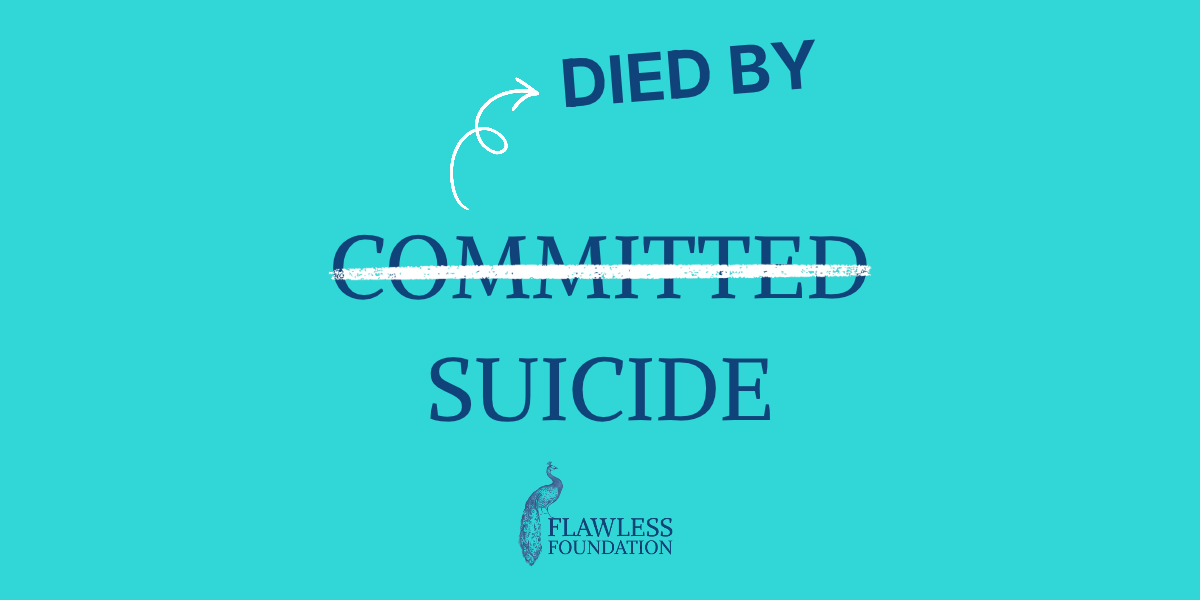
September is Suicide Prevention Month, and for years, suicide prevention advocates and journalists have been changing how they describe a death by suicide. They say a person “died by suicide.” You still hear the older phrase, “committed suicide,” in news reports and at the kitchen table, and most of us learned it young without giving it a second thought.
The history behind “committed”
A person commits a robbery or commits fraud. English speakers attached that same verb to suicide centuries ago, when courts and churches treated suicide as a crime and a sin.
In England, a person who attempted suicide and survived could face prosecution and prison until Parliament passed the Suicide Act in 1961, and the families of those who died could face prosecution as well. Many countries have since repealed laws like these. We held on to the verb.
In 2015, editors of the Associated Press Stylebook told journalists to avoid “committed suicide” outside of direct quotes from authorities, because the verb can suggest an illegal act. They recommended alternatives, including “died by suicide.”
The words families hear
Picture a family sitting with a funeral director after losing their son. If someone tells them he “committed suicide,” they hear a word we reserve for crimes, attached to the person they miss most. The speaker may mean no harm. The family still carries the weight of it.
With “died by suicide,” you name a cause of death without adding judgment. Suicide prevention expert Dr. Sally Spencer-Thomas suggests a test: put the word “cancer” in place of “suicide” and see if the sentence still works. You would not tell a grieving family their mother committed cancer. You would say she died of cancer, and the people we lose to suicide deserve that same neutral language.
The people listening now
The person across from you may be living with thoughts of suicide right now, and you might not know it. If they hear you describe suicide as something a person “commits,” they may decide to keep their pain to themselves. If they hear you talk about it with care, you’ve shown them you’re someone safe to tell.
At Flawless, we care for the whole person, including their story and their pain, and we choose our words to match that care.
Other phrases in the conversation
Some people say “completed suicide” or “successful attempt,” which frames a death as an accomplishment. Calling an attempt “failed” treats survival as a failure. Suicide prevention advocates use “died by suicide” and “suicide attempt,” or say a person “survived a suicide attempt.” Let’s remember, words matter especially when talking about medical conditions that can be life threatening.
A phrase you grew up with
If you still catch yourself saying “committed suicide,” you learned it the same way most of us did, from the news and from the adults around you growing up. A phrase you’ve used for decades takes time to fall out of your vocabulary, and journalists and suicide prevention advocates have spent more than a decade making that change. During Suicide Prevention Month, advocates share stories of hope and reminders that help is available, and they choose their words for the same reason. A person who hears care in the way others talk about suicide may feel safer reaching out.
If you or someone you know needs to talk to someone right now, call, text, or chat 988 for a free, confidential conversation with a trained counselor, available 24/7.