By Dr. Robin Jones
Attending the National Federation of Families Conference was an inspiring experience that struck a deeply personal chord for me. Sitting in the front row of our very own Flawless Foundation presentation, “Families as Essential Partners in Mental Health Care: From Blame to Partnership,” presented by Janine Francolini, and John Puls, turned out to be a defining moment that gave me a chance to truly pause and reflect.
Bringing Levity to Serious Topics
As part of my role supporting the Flawless Foundation team with digital media, I am constantly reminded that heavy topics need light moments. It always brings joy to remind our audiences that “They are Flawless.”
One of my favorite moments of the conference was breaking the ice with the attendees. When a poll of our audience revealed that many of the attendees were caregivers, I recognized that joy, sunshine, and hope were needed. And as Flawless is, Flawless does!
I brought out our #YOUAREFLAWLESS tattoos, passed them out, and decorated the room. Showing off my own decorated forearm, I grabbed a cup of water, a few napkins, and explained the tattoo application process. Immediately, a wave of community, belonging, and support filled the space as hands raised for assistance in applying their own tattoos to their respective arms and hands for display. The ice was broken, the air was light, and the message was ready to be received.
Shifting from Blame to True Partnership
For decades, the narrative surrounding family involvement in mental health care has sometimes leaned toward burden or blame. Janine and John delivered a powerful session that dismantled this outdated view, emphasizing how families must be recognized as vital, indispensable partners in the healing journey. They shared what that partnership can look like in practice: providers bringing families into treatment planning from day one, creating trauma-informed spaces where families feel heard and valued, and families using tools like Dr. Xavier Amador’s LEAP method (Listen, Empathize, Agree, Partner) to stay connected to a loved one who may not believe they need help.
As someone deeply immersed in educational leadership and advocacy, I resonated strongly with the call to foster authentic collaboration between providers and families. But as the session unfolded, the conversation shifted from broader systemic perspectives to something much closer to home.
The Caregiver’s Hidden Toll
Sitting in the audience, I found myself pleasantly surprised, and quietly humbled, as I learned more about myself and the hidden tolls of caregiving. Janine and John spoke openly about what families carry while advocating for a loved one within the mental health care system: the phone calls, the waiting, the effort to find a seat at the table with a care team, along with the chronic stress, sleepless nights, and financial strain that come with it. Advocating for someone you love is exhausting, and hearing that named so clearly reminded me how important it is to care for myself along the way.
It is so easy to get caught up in the daily whirlwind of work and community advocacy. When you wear multiple hats as a professional, a relative, and a caregiver, the boundary between working and living blurs completely. Before you know it, days turn into weeks, and self-care is quietly pushed to the very bottom of the to-do list. We pour so much energy into supporting everyone else that we forget to check in on our own emotional and physical reserves.
Slowing Down and Celebrating the Small Wins
Janine and John’s presentation, paired with the warmth of our Flawless message of inclusion served as a much-needed reminder to hit the brakes. Caregiving and advocacy are marathons, not sprints. You cannot pour from an empty cup, and honoring your own well-being isn’t a luxury, it’s a necessity.
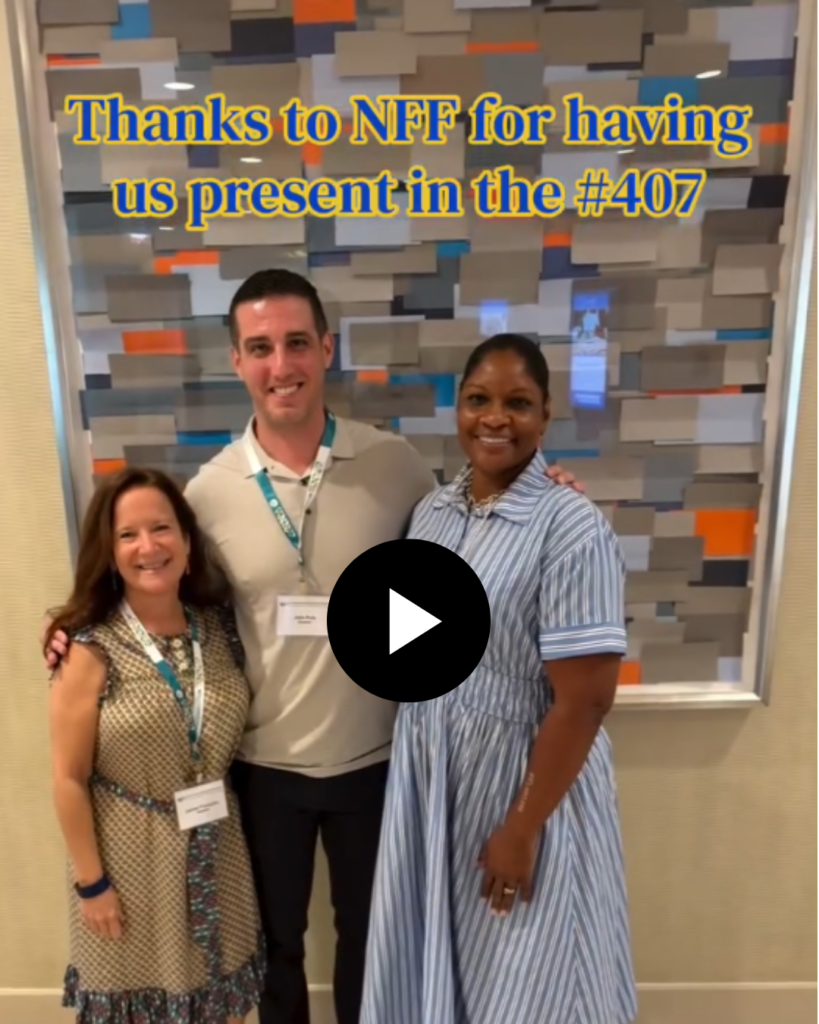
Leaving that conference room in Orlando, I took away a renewed commitment to:
- Slow down when the pace of life threatens to overwhelm.
- Prioritize self-care without guilt, recognizing that taking a breath is part of the work.
- Celebrate the little wins. Too often, we look only at the massive mountain left to climb. This week reminded me that small victories are still wins, and they deserve to be recognized and cherished.
To anyone out there juggling caregiving, family responsibilities, and a demanding career: give yourself some grace today. Slow down, notice the small victories, and remember that taking care of yourself is part of taking care of others.
For more resources on building collaborative partnerships between family members and mental health care teams:
- Listen to the full Beyond Well episode with Dr. Stuart Ablon, John Puls, LCSW, and host Sheila Hamilton
- Find more conversations on Beyond Well with Sheila Hamilton
- Learn about Dr. Xavier Amador’s LEAP method at the LEAP Institute
- Explore Think:Kids, home of Dr. Stuart Ablon’s Collaborative Problem Solving approach