I had the opportunity to tune into a live panel titled From the Margins to the Mainstream: Mental Health Over the Last Decade, hosted by the Ruderman Family Foundation, bringing together voices from film, athletics, medicine, and advocacy for a conversation about mental health. As an intern at the Flawless Foundation and as a teenager, I left the conversation with a lot to think about.
The panel featured Nadine Crocker, known for her films and conversations about mental health and personal struggles; NFL legend Vernon Davis, who has spoken openly about loss and the importance of seeking help; Dr. Jonathan Sherin, a psychiatrist and mental health advocate; and actor and Emmy award winner Courtney B. Vance, whose work both on and off screen has long brought honest conversations about wellness.
The panel opened with a statement from Jay Ruderman, President of the Ruderman Family Foundation that stuck with me:
“We’ve made real progress but progress is not the finish line.”
This set the tone for the conversation, celebrating progress while acknowledging that more work remains to be done.
The Power of Storytelling
What made this panel unique was how personal it was. Every speaker shared their own story, and their vulnerability strengthened the message. Nadine Crocker spoke about what it felt like to stop wearing a mask and how realizing she was not alone changed everything for her. She said something that I keep coming back to:
“If no one’s willing to talk about it that means we are all going to still feel alone.”
Tamika Lewis, a mental health advocate and the moderator of the panel, built on that:
“Film has the ability to save lives.”
Every panelist agreed on the power of representation, of seeing your own struggle reflected back at you in media, in stories, and in the lives of others.
Showing Up for Yourself
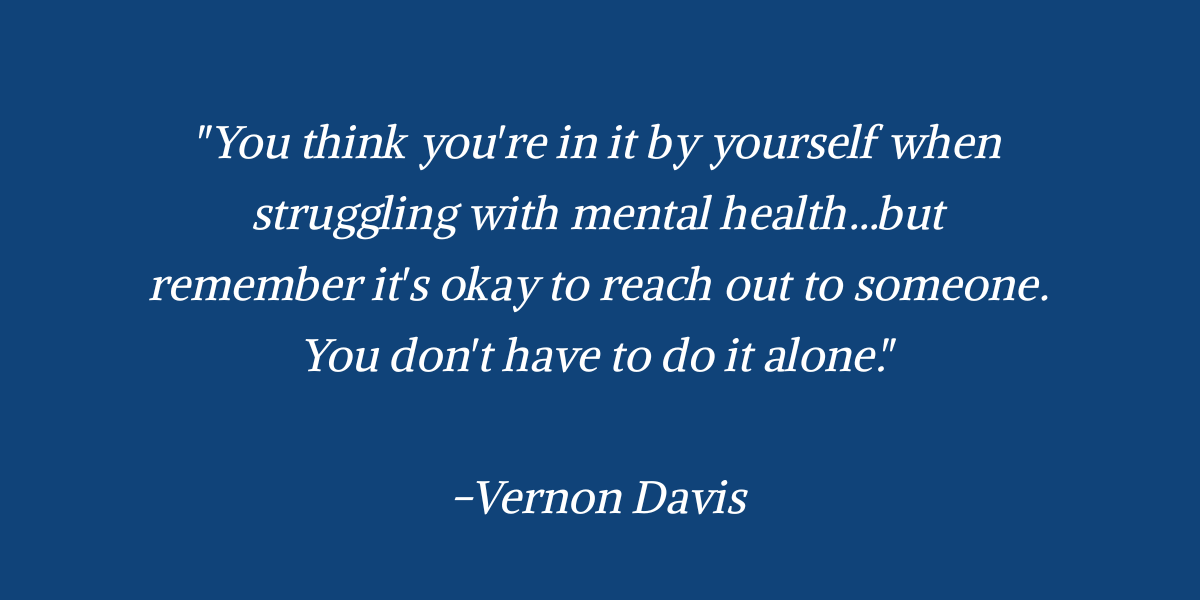
Vernon Davis spoke about what it means to be an athlete taught to push through pain and never show struggle. He lost two siblings to mental health crises. He talked about finding the motivation to seek a therapist, to meditate, to do yoga, and how that pulled him through.
“It’s okay, to know that you can reach out to someone, you don’t have to do it alone.”
Courtney B. Vance shared a similar idea through his honesty, which surprised me. He talked about sitting with all of his achievements and still feeling lost, still needing help.
“I had no idea I needed to talk, I should’ve been in therapy for years.”
He spoke about filling your life with purpose and service, and building a community that holds you up, even when you cannot hold yourself up.
The Healing Power of Community
Dr. Jonathan Sherin brought a perspective from medicine that felt both hopeful and urgent. He spoke about how the brain, and its connection to every system in the body, and how mental health was treated as secondary for too long. But what he kept coming back to was the strength of community:
“None of us are well until all of us are well.”
He described human connection and support as more healing than any medicine. In a world where we are more digitally connected than ever but lonelier than ever, I felt this deeply.
The Message I am Taking With Me
As someone surrounded by peers navigating the ever-changing digital world, I found that this panel reminded me of why this work matters. Why movies, books, and people sharing their own stories and journeys with mental health are so important for the well-being of not just individuals, but communities. The conversation is continuing to open up. The isolation is decreasing. But as Nadine Crocker said, she would love for us to have so many more conversations and so many more stories told. Even if it helps just one person.
That is exactly what we are here for.
Note: If you or someone you know is struggling, you aren’t alone. Call or text 988 for free, confidential support 24/7.