Centering Mental Health During Hurricane Season
By Dr. Robin Jones
Everyone in a hurricane-prone region knows the routine. Between June and November, our conversations shift toward tracking hurricane maps, news broadcast reports, and supply runs. We strategically prepare our physical spaces: metal shutters or plywood over windows, sandbags at the door, and shelves stocked with water and non-perishable foods.
But as a mental health professional, an educator, and a Floridian, I am constantly asking a different question:
How are we prepping our mental health?
Hurricane season doesn’t just bring severe weather; it exposes us to heightened anxiety, chronic stress, financial hardship, and potential trauma. If you find your chest tightening at the first mention of a tropical depression, you are not alone.
Your response is a completely normal reaction to an unpredictable environment.
I learned this firsthand as a 16-year-old in Miami when Hurricane Andrew hit on August 23, 1992. My family and I boarded up our windows, stocked our shelves, and followed every safety protocol to protect ourselves physically. Yet no one gave us tips on how to stay emotionally regulated through the roar of 174-mph winds, nor did anyone prepare us for months without power and for adjusting to a completely altered way of life. If I knew then what I know now, my preparation would have looked very different.
The Invisible Storm: Mental Health in the Impact Zone
The psychological toll of hurricane season is growing. For many of our neighbors across the country, a new storm warning isn’t just an inconvenience; it’s a direct trigger for past trauma. Long before the outer bands reach our coast, the mental health impact manifests through:
- Anticipatory Anxiety: The prolonged, hyper-vigilant state of tracking a storm for days.
- Decision Fatigue: The exhausting mental loop of deciding whether to evacuate, where to go, or when to shelter in place.
- Cognitive Overload: The struggle to balance family safety, professional responsibilities, and financial strain against the unpredictability of nature.
Proactive psychological preparation is just as important as physical security. Research shows that active planning drastically reduces situational anxiety. When we create an action plan, we shift our brains out of a passive “fight-or-flight” state and back into a position of agency and control.
My Psychological Toolkit: Building Resilience Before the Skies Turn Gray
Here is how I intentionally build a mental health buffer during hurricane season:
1. Minimize Media Consumption
When a storm is looming, news channels switch to 24/7 coverage. While staying informed is necessary for safety, continuous exposure to speculative reporting spikes our cortisol levels. I set designated times to check official alerts from the National Hurricane Center and local Emergency Operations Centers, then turn the screens off.
2. Establish Household “Anchors”
In high-stress moments, routine provides a profound sense of safety, especially for children. Alongside batteries and first-aid kits, we pack small “comfort kits” with our favorite board games, card games, journals, physical books, and other comfort items that don’t rely on electricity.
3. Lean Into Your Support Ecosystem
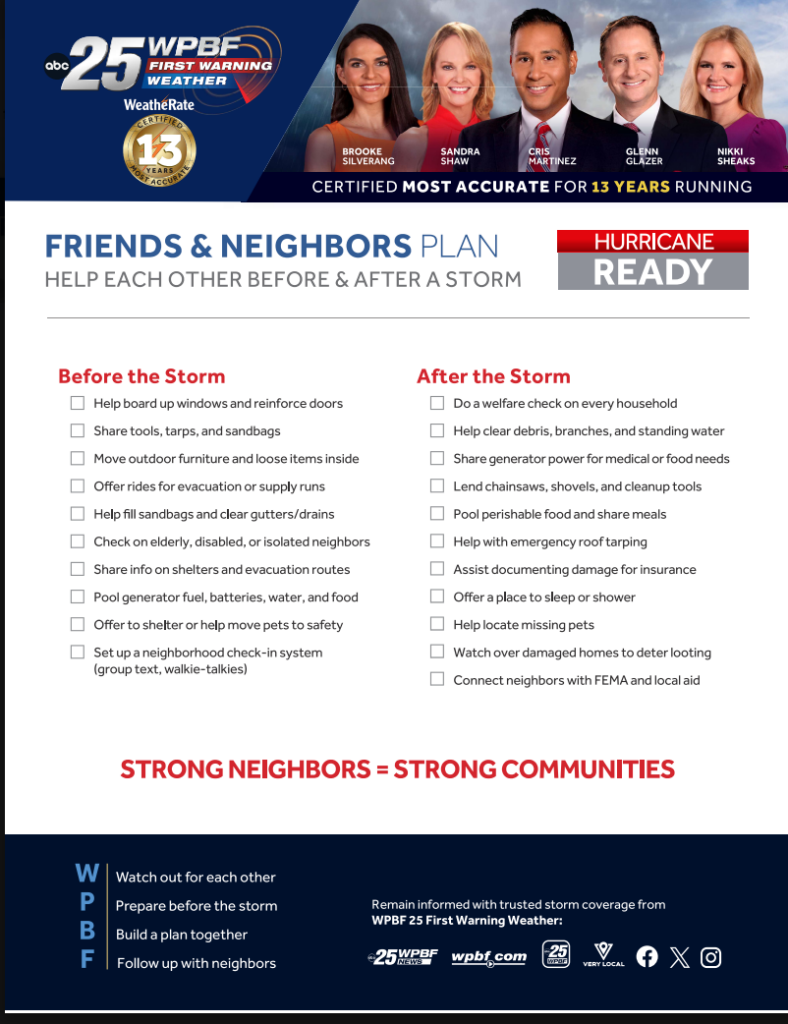
Isolation amplifies fear. Check on your neighbors, establish an out-of-state emergency contact for family check-ins, and talk openly about your worries. Acknowledging stress to a trusted peer strips away much of its power.
A Final Thought on Community Care
As we navigate another hurricane season, let’s remember that resilience isn’t about being fearless; it’s about navigating our vulnerabilities with clear, supportive strategies. Secure your shutters, pack your kits, and check in on your nervous system and brain health. We are a community built to weather the storm, together.
Helping Kids During Disasters
Child Mind Institute Trauma Resources: Free, multilingual downloads of Child Mind Institute resources to help communities in the wake of tragic events.
Talking to Kids about Hurricanes: Resources that apply from previous Hurricanes for helping children.
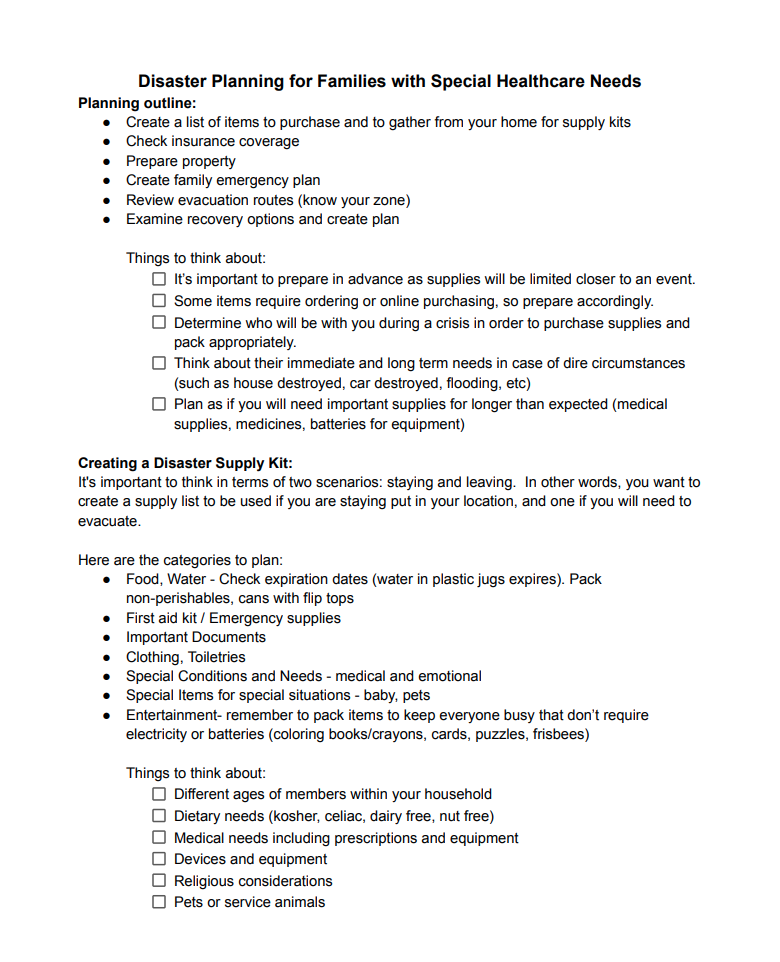
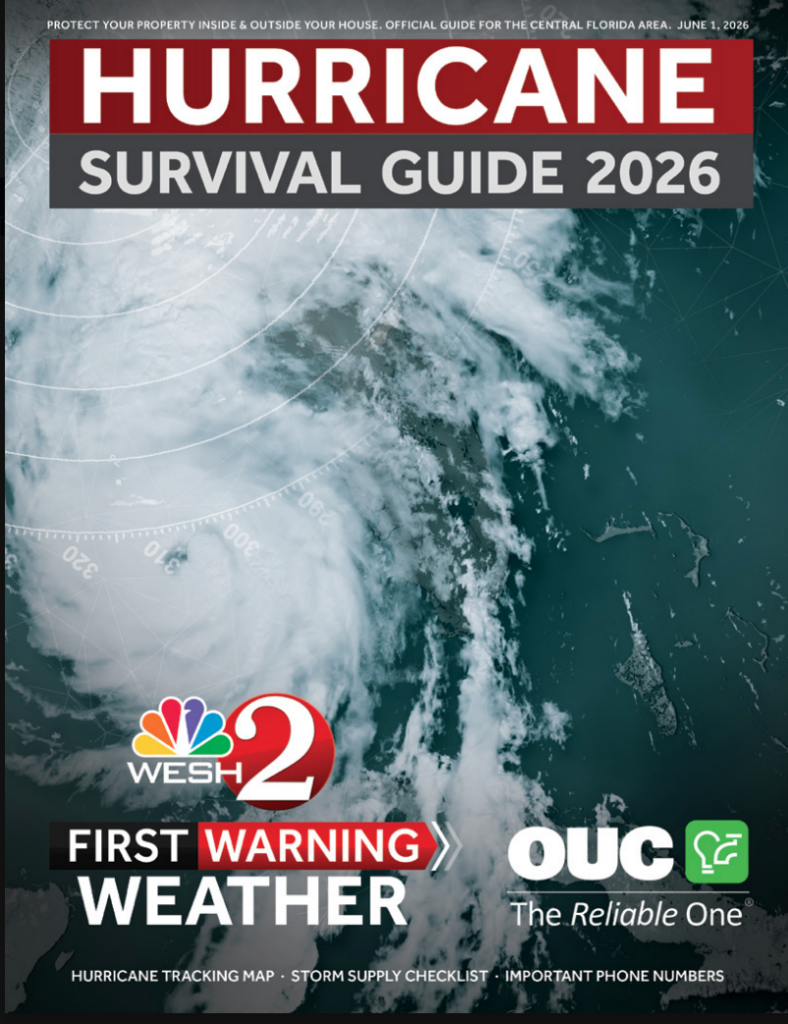
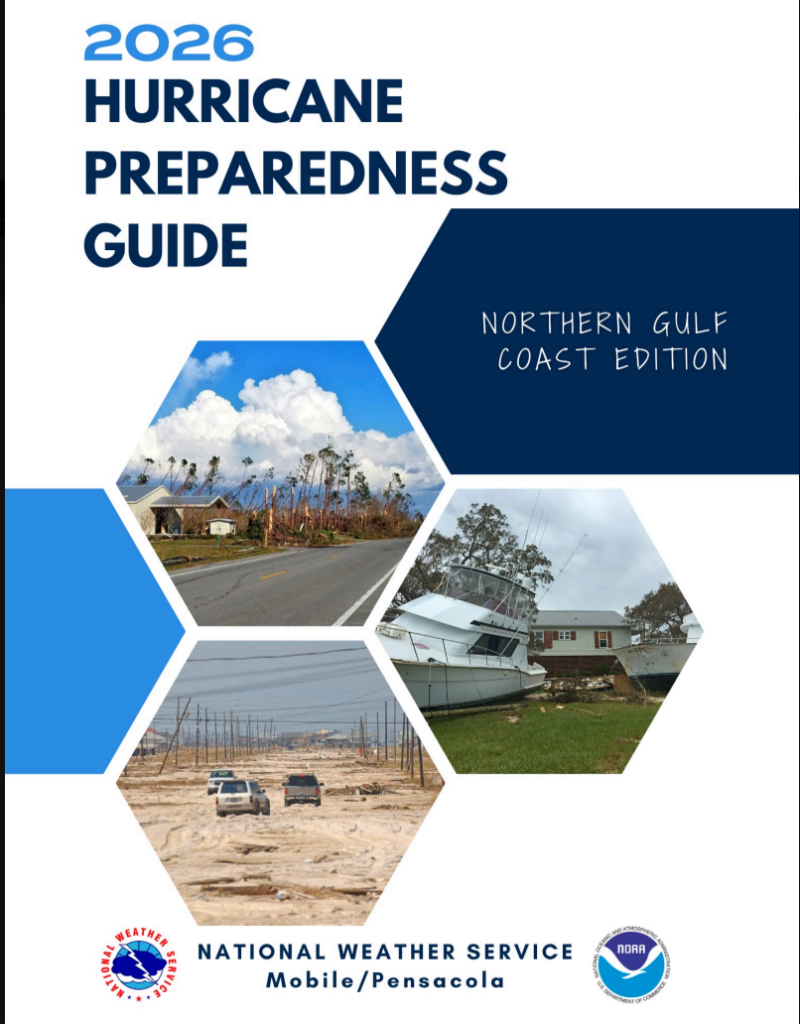
Click the images below for helpful hurricane preparedness resources