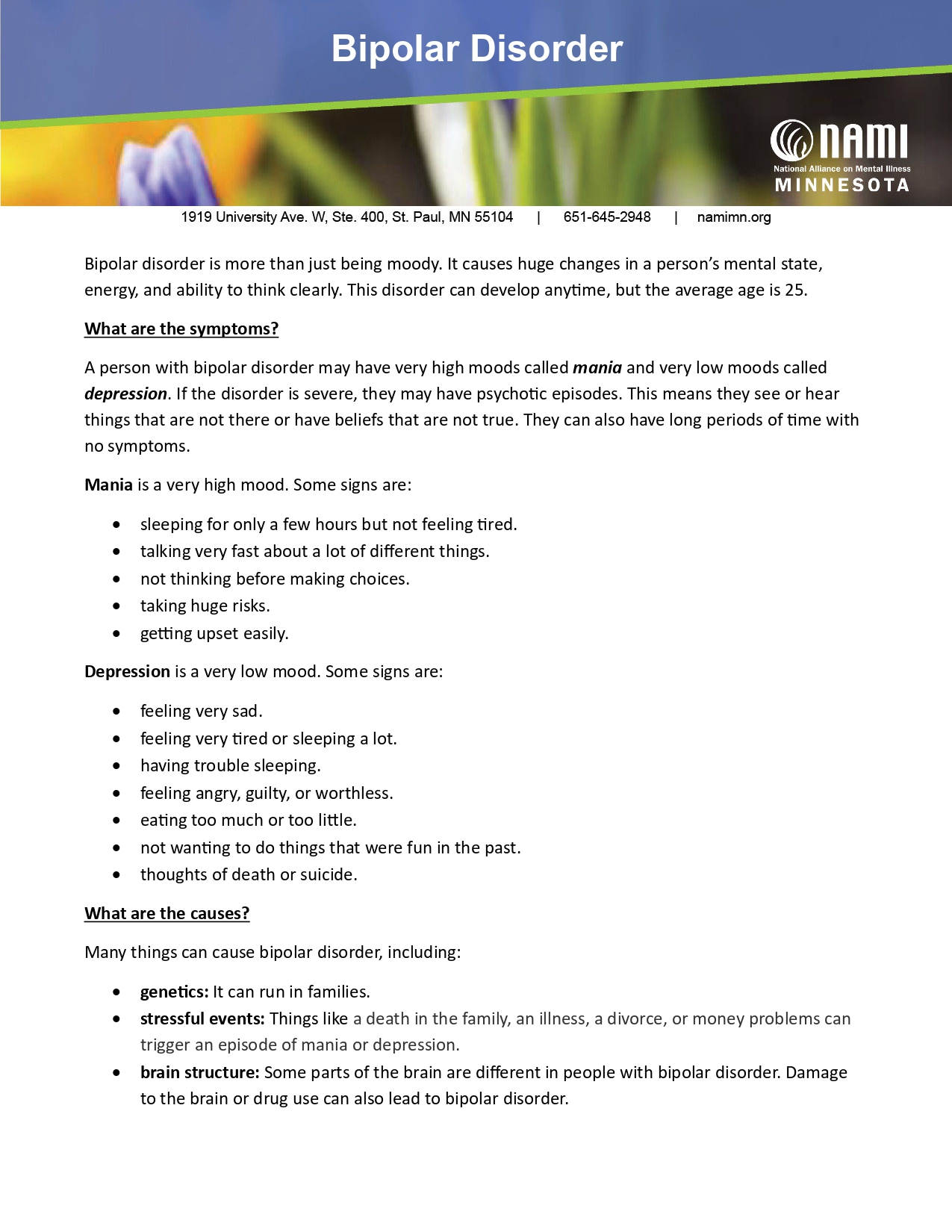
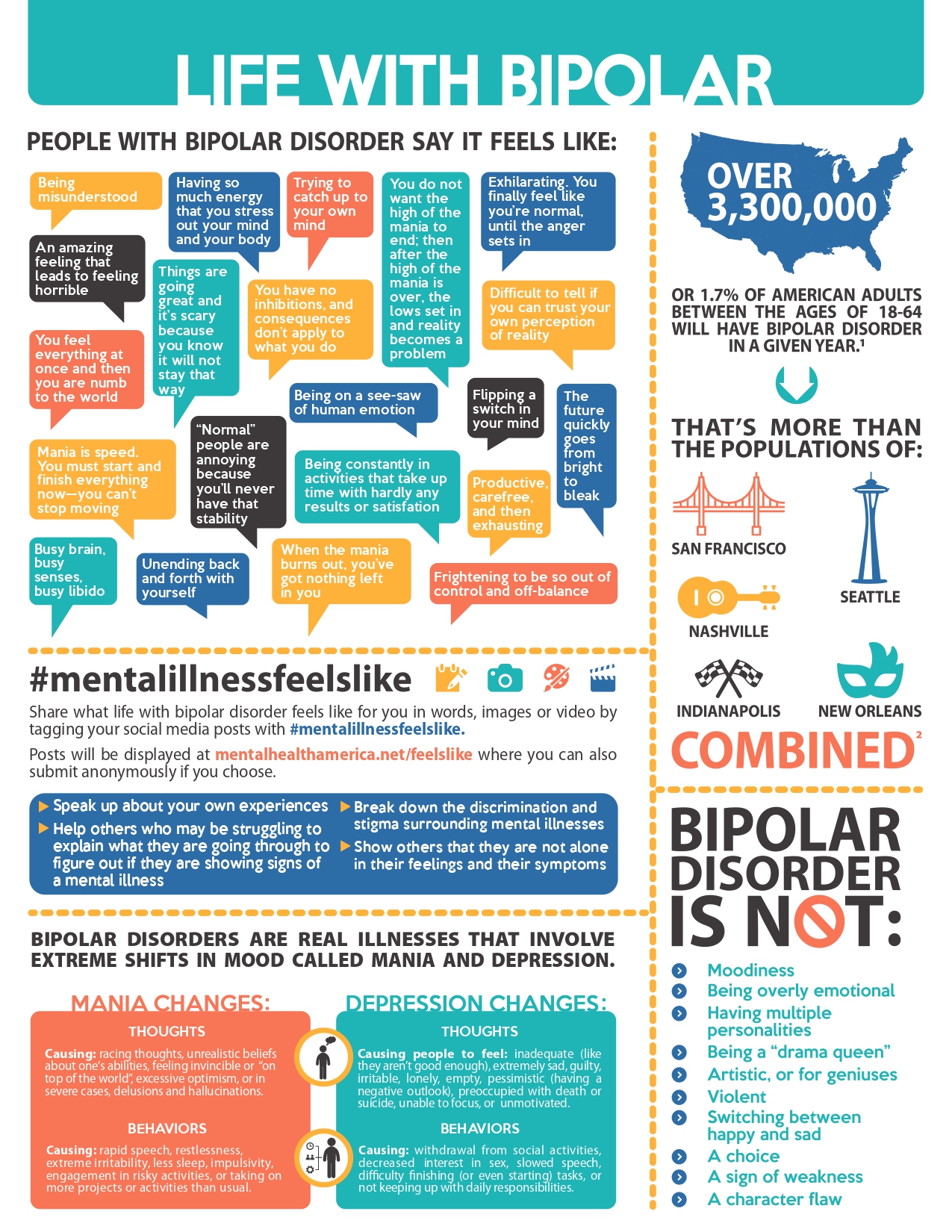
March 30th marks World Bipolar Day, a global initiative dedicated to bringing worldwide awareness to bipolar disorders and eliminating the persistent stereotypes, myths and discrimination that surround them.
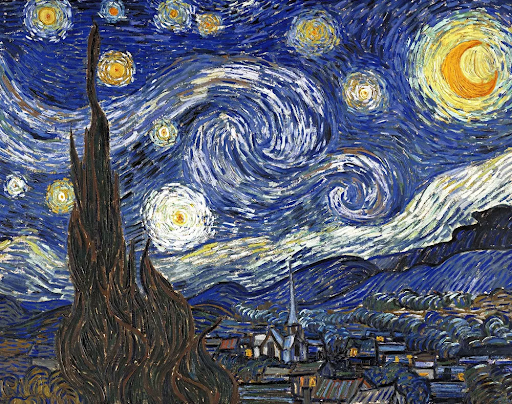
The date itself is a tribute to the birthday of Vincent Van Gogh, a man whose vibrant paint colors and emotional landscapes changed the world. While Van Gogh was never diagnosed in his lifetime, historians and medical professionals now believe he lived with bipolar disorder. In the 1800s, he was often dismissed as “mad” or “possessed.” Since then, we have learned much about brain disorders and have the knowledge to ensure no one else faces that same isolation he did.
The Weight of Your Words
Remember Katy Perry’s 2008 song Hot N Cold? The lyrics captured a trend we still see today:
“Someone call the doctor / Got a case of a love bipolar / Stuck on a roller coaster / Can’t get off this ride.”
We hear these phrases in everyday conversation: “The weather is so bipolar today.” “My boss is acting totally psycho.” “I’m just so manic about this new project!”
While these phrases might seem like harmless figures of speech, they are actually quite loaded. When clinical terms are used to describe everyday inconveniences or personality quirks, it trivializes a serious medical journey. Bipolar disorder is not a synonym for “fickle” or “unpredictable”; it is a mental health condition that requires immense time and investment in self care and medical intervention to manage.
By swapping out clinical terms for more accurate descriptions of our feelings, such as “erratic” or “intense,” we leave medical terminology to the people who actually live it. Honesty, compassion, and presence in our language allow for a clearer understanding of what living with this condition actually entails.
New Voices, New Standards
In recent years, several young celebrities have stepped forward to dismantle the “unstable” tropes often seen in media. They are helping to reframe the diagnosis as a manageable part of a complex life, rather than a defining flaw.
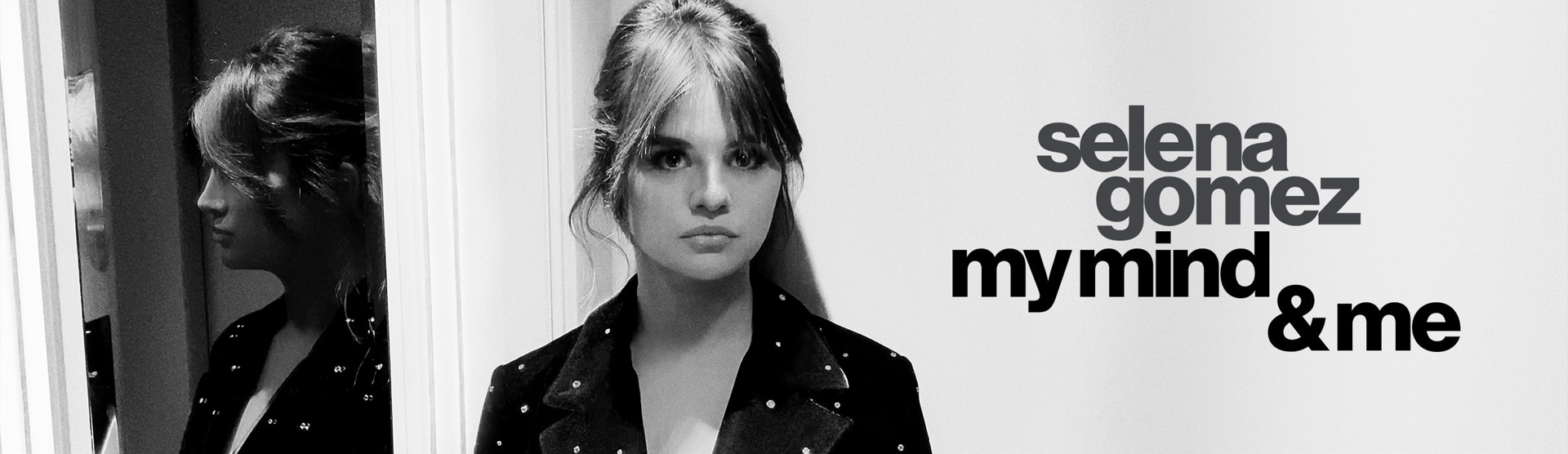
- Selena Gomez: In her documentary My Mind & Me, Gomez spoke about her diagnosis as a tool for self-understanding, proving that clinical knowledge is a form of empowerment rather than a label of limitation.
- Chappell Roan: The pop artist has been candid about navigating Bipolar II, reminding a new generation that professional success and brain health management are not mutually exclusive.
Words as Tools for Connection
Change starts with how we communicate:
- Audit Your Vocabulary: Notice when you use brain health terms as adjectives. Removing these from daily slang helps maintain the respect every individual deserves.
- Listen with Presence: Support often looks like acknowledging someone’s reality with honesty and compassion without trying to “fix” them.
- Normalize the Conversation: Sharing resources helps turn a “taboo” topic into a standard health conversation, building a world where everyone is understood and embraced.
- Use first person language – He has bipolar disorder not he is bipolar.
Today and every day, Flawless Family, choose to use your words to spread kindness.
Note: If you or someone you know is struggling, you aren’t alone. Call or text 988 for free, confidential support 24/7.