Imagine trying to discuss a critical medical condition, one that fundamentally obstructs treatment, only to have your writing tool flag the word as incorrect. This is the reality for advocates, clinicians, and families who use the term “anosognosia.”
Anosognosia, the medical term for when a person is unable to recognize their own serious brain disorder, is a deeply human challenge.
It impacts many individuals navigating schizophrenia, bipolar disorder, or brain injuries, often serving as one of the most significant barriers to receiving the care they deserve. Because of this, it is a topic that must be met with honesty, compassion, and presence.
When our digital tools, such as Word, Google Docs, and social media, reject this term, it reflects a broader world still often shaped by stigma and misinformation. By choosing to name, discuss, and understand anosognosia, we shift the narrative away from silence and toward a future rooted in unshakable hope for every flawless individual.
The good news? We can change this.
The campaign #AnosognosiaIsAWord is a grassroots movement dedicated to shifting the narrative by making this term visible. It is a collective call to ensure anosognosia is officially recognized in mainstream dictionaries and spellcheck systems, validating the inherent worth and daily reality of those navigating serious brain disorders.
Why does this matter? Because when our language reflects reality, true understanding and connection become possible, and lives can change. Every time we use this term with honesty, compassion, and presence, we move closer to a world where families, advocates, and clinicians can communicate with the clarity and respect needed to ensure every person is understood and embraced as flawless.
Building a #FlawlessWorld: John Puls’s Vision for Collaborative Care
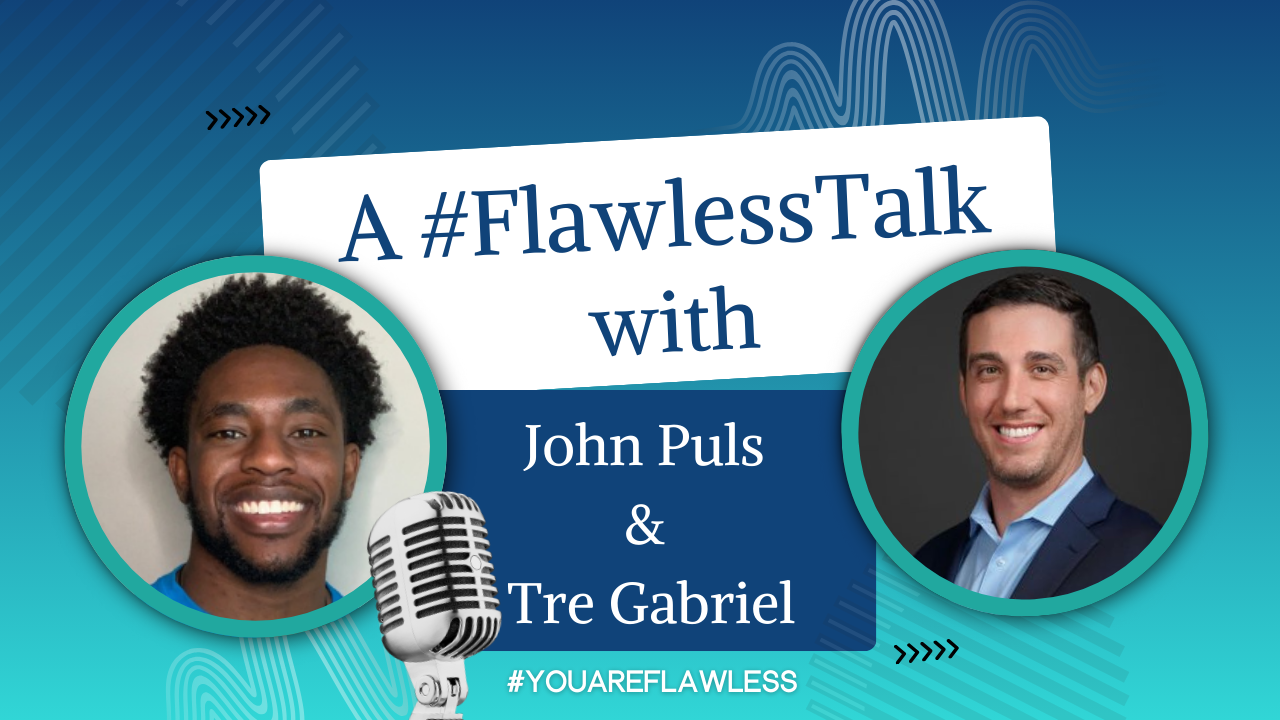
We spoke with John Puls on our Flawless Talks about this term, and he offered a way forward, a vision for a #FlawlessWorld where mental health care is accessible, respectful, and rooted in community connection.
John’s insights reinforce the idea that tackling fundamental obstacles, whether they involve a lack of recognition for a term like anosognosia or failures in the care system, requires a change in focus:
1. Rethinking Care: John emphasizes the limitations of conventional, crisis-driven models. The goal is not merely to “manage symptoms” but to understand the whole person and their lived environment. This approach calls for community-based, long-term support systems that promote dignity and sustained healing.
2. The Power of Partnership: True comprehensive care, as John explains, requires collaboration. This means clinicians, families, peers, and community partners working together. It’s about meeting people where they are, both literally (through home-based care models) and emotionally, leading to better engagement and outcomes.
3. The Essential Role of Families: Families are often the first and most consistent line of support. Empowering them with education and resources is critical. When families are involved, treatment outcomes improve, isolation decreases, and a more stable environment for recovery is created.
Individuals with serious mental illness (SMI) deserve consistent, humane, and person-centered care. When we recognize the challenge of anosognosia and support the whole person, we can replace stigma and punitive approaches with understanding and inclusion.
The most hopeful aspect of this journey is that we can all advocate for a #FlawlessWorld. Here are some ways you can get involved:
Support Community-Based Models: Research and advocate for local programs that focus on home-based care, integrated support teams, and personalized assistance.
Champion Families: Help connect families to education and resources that empower them to be effective partners in the care journey.
Share the Conversation: Watch the entire conversation with John Puls on Flawless Talks to deepen your understanding of these transformative care models.
John sees hope in the growing awareness of mental health and the increasing willingness of families and communities to get involved. We believe that real change is possible when care systems collaborate, and families receive the support they need.
Let’s make anosognosia visible, not just in our advocacy, but in the language and tools people use every day. Because recognition is the first step toward understanding, and understanding saves lives.