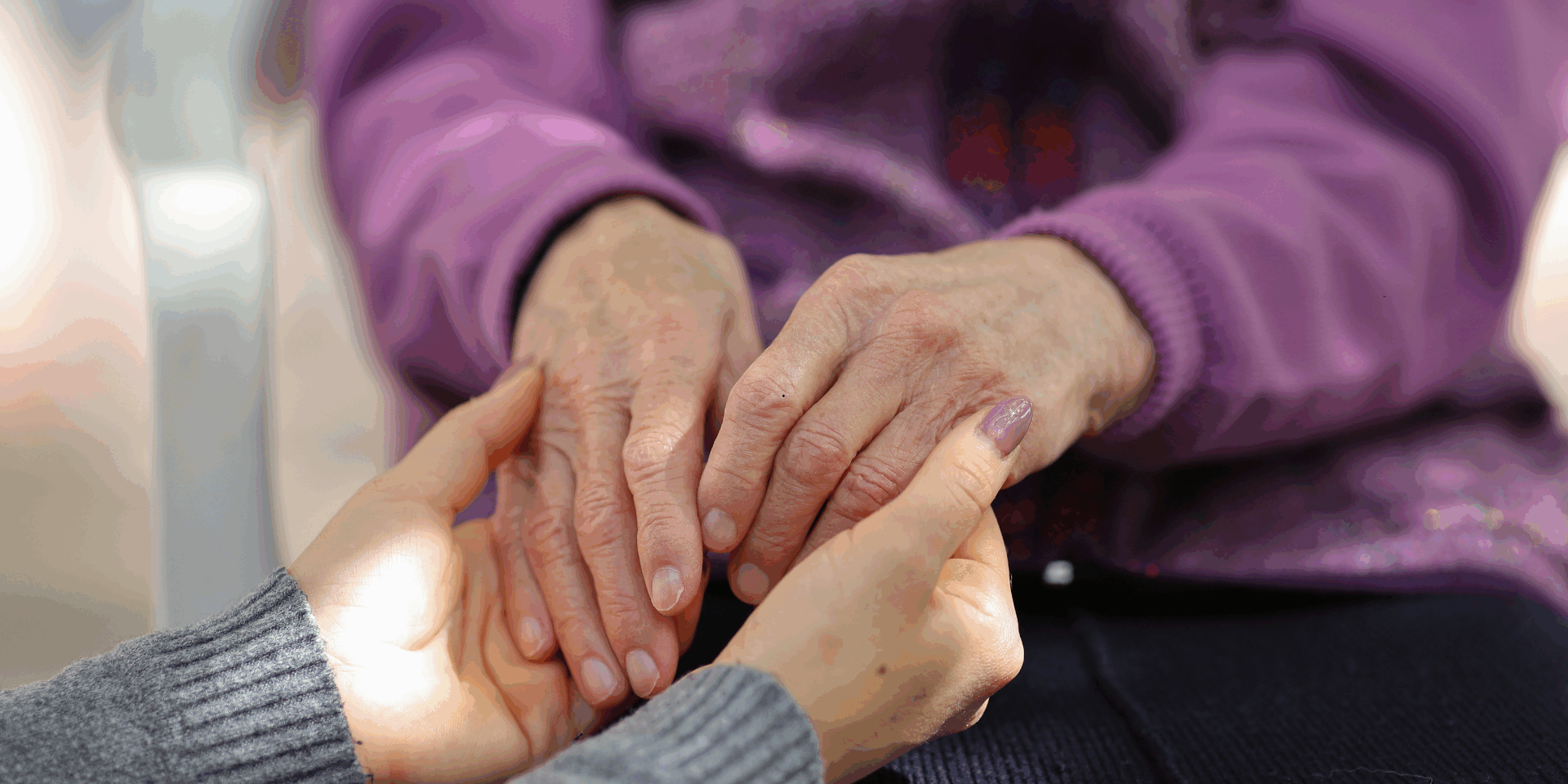
November is National Family Caregiving Month: a time to honor the millions of people across the country who show up every day for loved ones in need. Nearly 1 in 4 U.S. adults (63 million people) are family caregivers, according to Mental Health America. Their experiences can vary widely, but the dedication, resilience, and emotional labor of caregiving are universal.
Caregiving comes with many challenges- stress, exhaustion, and constant concern for the well-being of your loved one. This month, we want to highlight the importance of caregiver mental health and promote the resources available through Mental Health America’s Caregiver Resources page.
Fifty-nine million Americans care for an adult 18 or older, and 4 million care for a child under 18 with a long-term illness or disability.
Caregiving responsibilities can include managing medical needs, navigating school and work systems, supporting emotional health, and coordinating services: all while balancing one’s own life demands. With so much responsibility, prioritizing mental health isn’t optional; it’s essential.
Many organizations offer valuable resources to help caregivers protect their emotional well-being and manage the complexities of their role. When seeking support, look for tools that provide resources. Groups like AARP Family Caregiving often serve as a practical starting point for anyone stepping into a caregiving role, covering legal checklists, what to expect, and how to stay organized. Organizations like Mental Health America (MHA) and the National Institute on Aging (NIA) offer guidance for building realistic, sustainable ways to recharge emotionally, physically, and mentally. The Caregiver Action Network (CAN), the nation’s leading family caregiver organization, provides education, peer support, and maintains a Help Desk to connect caregivers with resources nationwide.
Caregivers perform extraordinary, often unseen work in service of others.
This National Family Caregiving Month, the Flawless Family honors your relentless dedication and inherent worth. We want to remind you that your well-being matters, and prioritizing self-care is not a luxury, but an essential act that allows you to recharge and “refill your cup”. You deserve unwavering support, compassion, and connection with your community.