Why Yoga Matters: Benefits for Body, Mind, and Modern Life
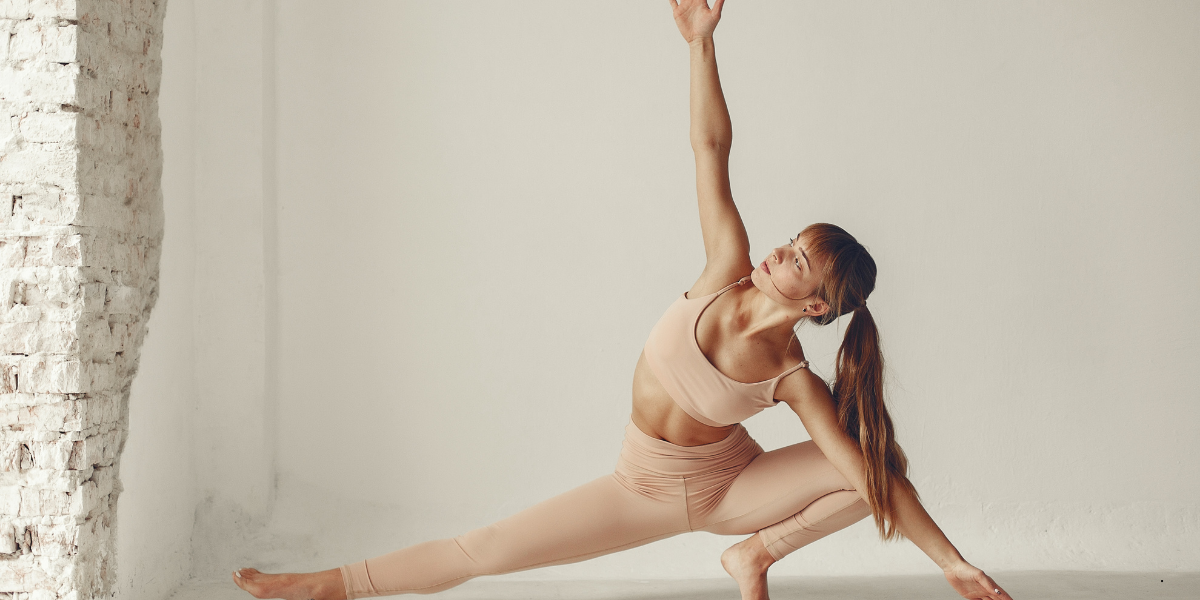
Did you know that over 38 million Americans practice yoga annually? According to a 2022 survey, that’s about 11% of the U.S. population, and the number continues to grow (Yoga Journal). Globally, over 300 million people practice yoga (The Good Body), demonstrating its far-reaching impact. It’s not hard to see why. Yoga goes far beyond stretching; it’s a practice that strengthens the body, clears the mind, and creates space for self-care.
September is recognized as National Yoga Awareness Month, created to highlight the benefits of yoga for both mind and body. First launched in 2008 by the Department of Health and Human Services, it continues to raise awareness of yoga’s role in promoting overall wellness.
Why Yoga Matters Today
Amid the stress, digital distractions, and packed schedules many of us face, yoga provides a rare opportunity to pause, breathe, and reconnect with ourselves. According to Harvard Health, yoga strengthens brain regions tied to memory, attention, and emotional regulation, making it a powerful tool for modern life.
The physical benefits of yoga are equally well-documented. The National Center for Complementary and Integrative Health (NCCIH) notes that yoga improves strength, balance, flexibility, and posture. Mentally, studies published in BMC Complementary Medicine and Therapies confirm that yoga reduces stress and calms the nervous system. Emotionally, it helps build resilience, while socially it fosters community and connection.
Yoga isn’t just exercise; it’s a lifestyle practice that nurtures the whole person.
The History and Significance of Yoga
Yoga is an ancient practice that originated in India over 5,000 years ago, rooted in traditions combining movement, breathwork, and meditation as a path to harmony between body and mind. Originally developed for self-awareness and inner peace, yoga has evolved into many different styles practiced worldwide. What began as a spiritual discipline now supports people in managing stress, enhancing well-being, and building resilience, making its wisdom timeless and relevant with packed schedules and constant distraction (Art of Living).
National Yoga Awareness Month
Created in 2008 by the U.S. Department of Health & Human Services, National Yoga Awareness Month was designed to educate people about yoga’s health benefits and inspire healthier lifestyles.
Each September, free classes, community events, and online resources make yoga more accessible to people of all ages and experience levels. This initiative encourages individuals to view yoga not just as a workout, but as a holistic practice for stress management, balance, and long-term self-care.
“Bringing together millions through yoga”
Yoga isn’t just celebrated in the U.S.; its benefits are recognized worldwide. The United Nations declared June 21 as the International Day of Yoga in 2014, bringing together millions for global yoga sessions, workshops, and wellness programs.
Beyond that, many countries host outdoor yoga events, community classes, and wellness festivals. Social media campaigns continue to make yoga more visible and accessible across cultures, spreading its benefits to new generations.
Ready to Roll Out Your Mat?
Starting yoga doesn’t have to be overwhelming. Here are some simple ways to begin:
- Online Classes: Try beginner-friendly channels like Yoga with Adriene on YouTube, which lets you move at your own pace from home.
- Local Studios: Get hands-on guidance from instructors and enjoy the community connection of practicing with others.
- Short Daily Routines: Even 10–15 minutes of stretching or mindful breathing can reset your day.
Making Yoga Part of Daily Life
The best way to build a yoga habit is to work it into your everyday routine:
- Morning: Start with gentle stretches to energize your body.
- Midday: Practice mindful breathing during work breaks to reduce stress.
- Evening: Try restorative poses or guided relaxation to unwind.
Sticking with small, steady steps is what really makes the difference.
Yoga for Families, Seniors, and Communities
Yoga is also for everyone. Families can explore fun parent-child routines that build connection, while seniors may find chair yoga or restorative practices helpful for supporting mobility and relaxation. Communities often come together through group classes in parks or wellness centers, creating space for accountability, encouragement, and joy.
A Personal Journey: Jennifer’s Story at NAMI
At a recent NAMI workshop, we were proud to have Jennifer, a yoga instructor working with Flawless, share her journey of practicing and teaching yoga for more than 15 years. She first discovered yoga at her local gym, where she found a unique blend of fitness, spirituality, and music. Later, she trained under a teacher from the Himalayan Institute, where she learned restorative yoga long before it became mainstream.
“Yoga has made me more flexible in body and mind,” Jennifer explained. “It has given me tools to navigate life’s challenges and created a space for self-compassion.”
When she faced severe burnout, restorative yoga became her refuge, helping her recharge her energy and calm her nervous system. Her encouragement is simple: “Yoga meets you wherever you are. The relationship you build with your body sets the foundation for all other relationships in your life.”
Jennifer’s story is a reminder that yoga is not just movement; it’s a powerful tool for mindfulness, stress relief, and self-care.
Flawless Foundation & Yoga’s Shared Mission
At Flawless Foundation, our mission is to revolutionize the way mental health is understood and treated, with compassion, connection, and holistic care at the center. Yoga aligns beautifully with this mission. Just as Flawless emphasizes wellness for the mind, body, and spirit, yoga provides a practical path to achieve that balance. By practicing yoga, individuals learn self-awareness, mindfulness, and resilience, skills that strengthen mental health and improve quality of life.
This connection is personal for us, too. Our founder, Janine Francolini, enjoys practicing yoga in her free time, finding it to be a helpful tool for grounding, reflection, and building resilience. Her experience reinforces our belief that yoga is not just exercise, but a pathway to whole-person wellness.
When we highlight yoga during National Yoga Awareness Month, we’re not just celebrating movement; we’re celebrating a shared commitment to mental, emotional, and physical well-being.
Take the First Step
As National Yoga Awareness Month comes to a close, take a moment to reflect on how you’ve cared for your body and mind, and how small practices of slowing down and breathing deeply can continue to support you moving forward
You don’t need fancy equipment or hours of free time; just a few minutes each day can make a difference. Start small: try a morning stretch, explore an online class, or join a local studio for a sense of community.
- Online Classes: Yoga with Adriene – free and beginner-friendly
- Wellness Resources: NCCIH – Yoga – research-based information
- Community Events: Check local studios, gyms, or outdoor parks; many offer free or discounted classes in September
Yoga is most powerful when it’s shared. Invite a friend, bring your family, or join your community. Take the first step today, your body, mind, and spirit will thank you.
Written by Makayla Bynes, Intern at Flawless Foundation